Water alarms and leak sensors

A water alarm is the cheapest flood protection there is: a floor sensor that sounds, or alerts your phone, at the first drop of water.

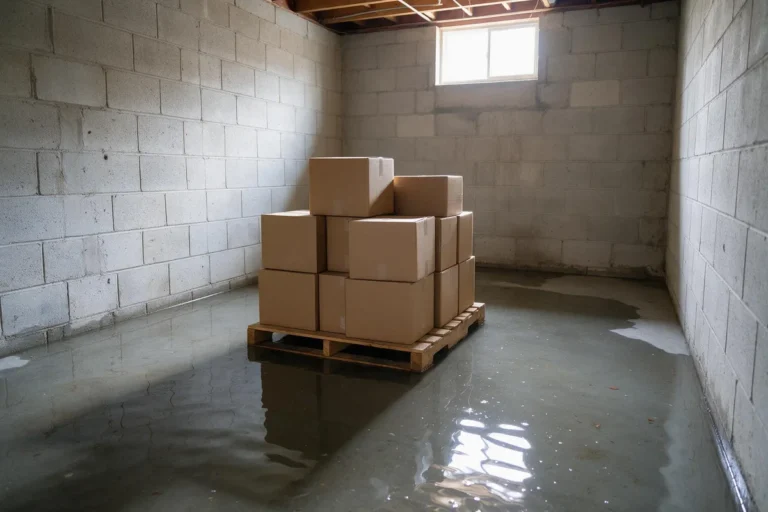
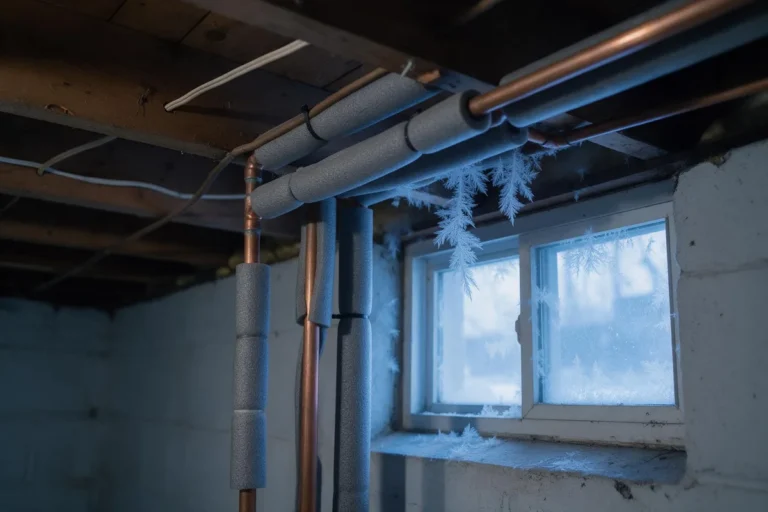
Used for: Flooded basement and sewer backupFrozen pipes

Our picks

Compare side by side

Water alarms and leak sensors compared. Best in each row is shaded, bold and ticked
Specification Best simple alarm Basement Watchdog Water Alarm BWD-HWA Best smart sensors YoLink Water Leak Sensor 4 Starter Kit Best DIY shut-off YoLink Valve Controller 2 Kit with Bulldog Valve Robot
Price US retailers$72.99–$89.99 US retailers$299.95–$339.95
Our score Our score: 7.4 out of 10 Our score: 7.8 out of 10(best in this row) Our score: 7.6 out of 10
Connection None (local alarm only) Long-range radio to a hub Long-range radio to a hub
Phone alerts No Yes Yes
Shuts off the water No No Yes
Alarm loudness 110 dB not listed not listed
Freeze alert No Yes No
Battery 9 V 2 × AAA per sensor 4 × AA, or 9 V DC adapter (included)
Hub needed No Yes Yes
Warranty 5 years(best in this row) 2 years 1 year
Where to buy

Before you buy

  • Decide who hears it A local siren helps when you are home; app alerts help when you are away. Ideally have both.
  • Check outage behaviour Smart sensors need the hub, router and internet. Find out what still alerts during a power cut.
  • Place them low Put sensors by the sump pit, water heater, washer and floor drain.

Need a backwater valve, sump pump or drain fixed?

Pick the job, then your city.

We don’t store what you type.

See every trade we list

Water alarm questions

Do smart leak sensors work in a power cut?

Only partly. A YoLink sensor runs on its own batteries and beeps locally, but its manual says it reaches the internet only through the YoLink hub, so app alerts need the hub, router and internet to have power. A battery backup for the router helps.

Can a leak sensor warn me about freezing too?

Some can. The YoLink Water Leak Sensor 4 beeps four times for a freeze warning at a temperature you set in the app. That helps in a cottage or a cold basement, alongside a thermostat with freeze alerts.

Where should water sensors go?

Wherever water appears first: beside the sump pit, under the water heater and washer, near the floor drain and under sinks. Put them flat on the floor, where the first water collects, and test them after fitting.