Cold snaps
Safe heat, pipes that stay unfrozen and an alert before the house gets cold.
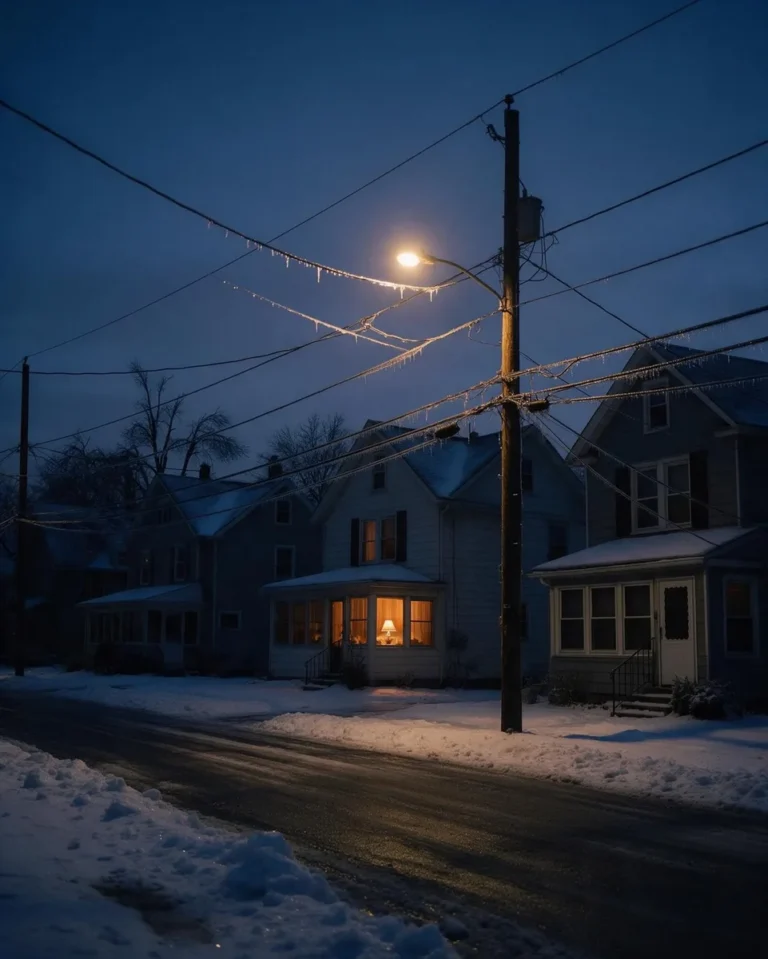
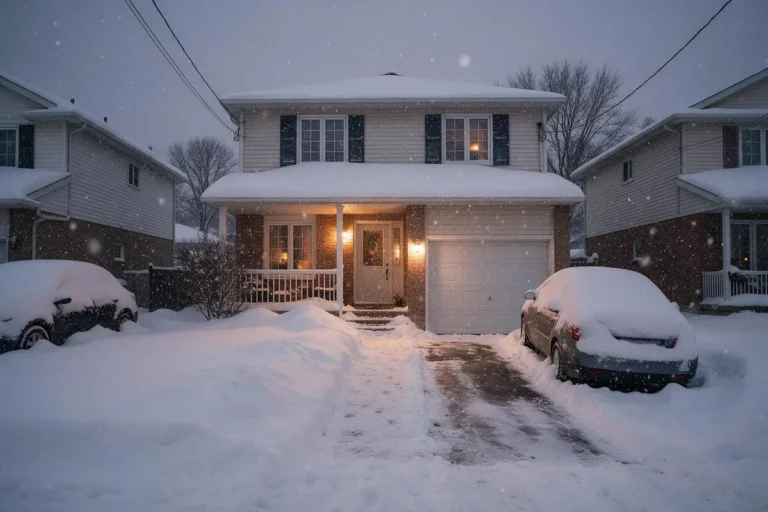
What a cold snap leads to
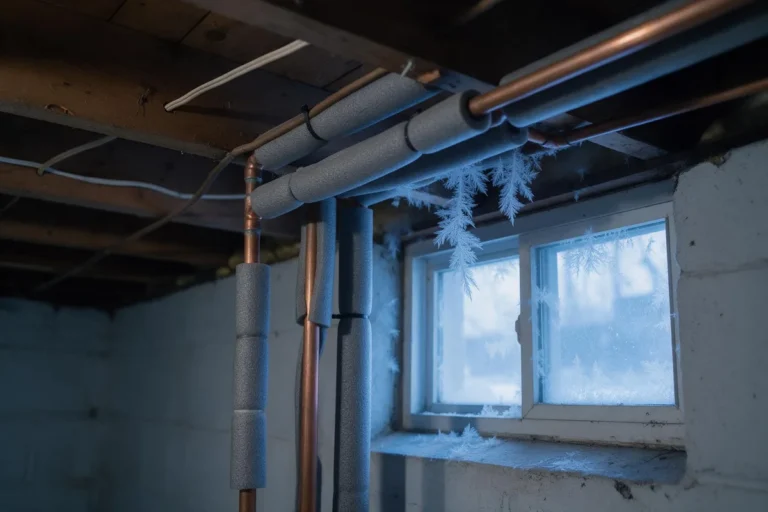
Frozen pipes
Keeping water pipes above freezing in a cold snap or an outage, and what to do when one freezes.
Ice dams
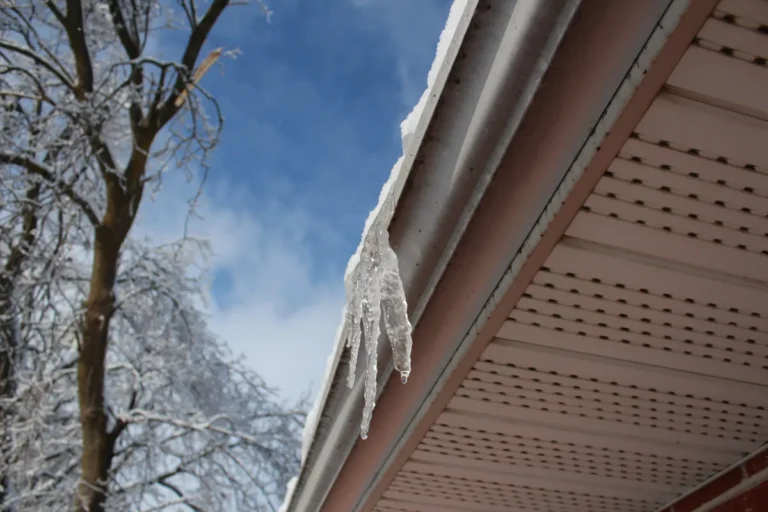
Why ice builds up at the eaves, how to stop it forming, and who clears it when it does.
Backup power for your home
Four ways to keep the furnace, fridge and sump pump running through an outage, and which of them need an electrician.
The plan
Have the heating checked
Have fuel-burning appliances such as a furnace or boiler inspected by a professional at least once a year (Health Canada), before the cold arrives.
Keep the heat in
Keep doors and windows shut: the federal outage guidance notes that a closed-up house stays comfortable for several hours even in very cold weather.
Add heat safely
Choose a certified space heater with a tip-over switch: Health Canada treats heaters that fail the CSA safety tests as a danger. Never leave one running unattended.
Safety: Never run a generator, barbecue, camp stove or propane heater indoors or in the garage (US CPSC). When a furnace, boiler or heat pump has stopped, call a heating contractor.
Find a heating contractor
Pick the job, then your city.
We don’t store what you type.
Guides
Questions about cold snaps
How much clearance does a space heater need?
At least 3 ft on every side from anything that can burn, says the US CPSC. Set it on a stable, level surface, never leave it running unattended, and plug it into a wall outlet, never a power strip.
Can I run a space heater from a generator in an outage?
An electric heater can run from a generator or power station big enough for it, plugged straight in with a suitable cord. Keep any fuel generator outside, at least 6 m from the house, per Health Canada. Our frozen pipes guide covers keeping warm in an outage.
Where should I put a CO alarm?
Health Canada says the most important place is the hallway outside sleeping areas. The US CPSC advises battery or battery-backup alarms on every level and outside sleeping areas, interconnected where possible, and tested monthly.