Don’t chip at it. Pull the snow off the lower part of the roof with a roof rake, standing on the ground, so the dam stops growing, and leave the ice itself to a roofer or snow-removal contractor. If water is already coming in, catch it, photograph it for your insurer and dry the area fast. Stopping the next one is about the attic: our ice dams page covers that.
- Time
- Raking is a short job after each heavy snowfall
- Difficulty
- Easy from the ground (raking) · Needs a professional (anything on the roof or a ladder)
- Cost
- A roof rake is a low-cost tool; clearing the ice itself is a contractor’s job
Safety: stay off the roof and work from the ground. Before you raise a long pole, look up: keep yourself and the pole at least 3 m (10 ft) from overhead lines, and make sure nothing touches the service wires to your house (utility safety advice). Stand clear of the snow and ice as they come down. If you are unsure, stop and call a qualified professional.
The snowstorms page covers the rest of heavy-snow prep, from snow blowers to hiring roof snow removal, and the ice dams page covers stopping them for good.
What an ice dam is
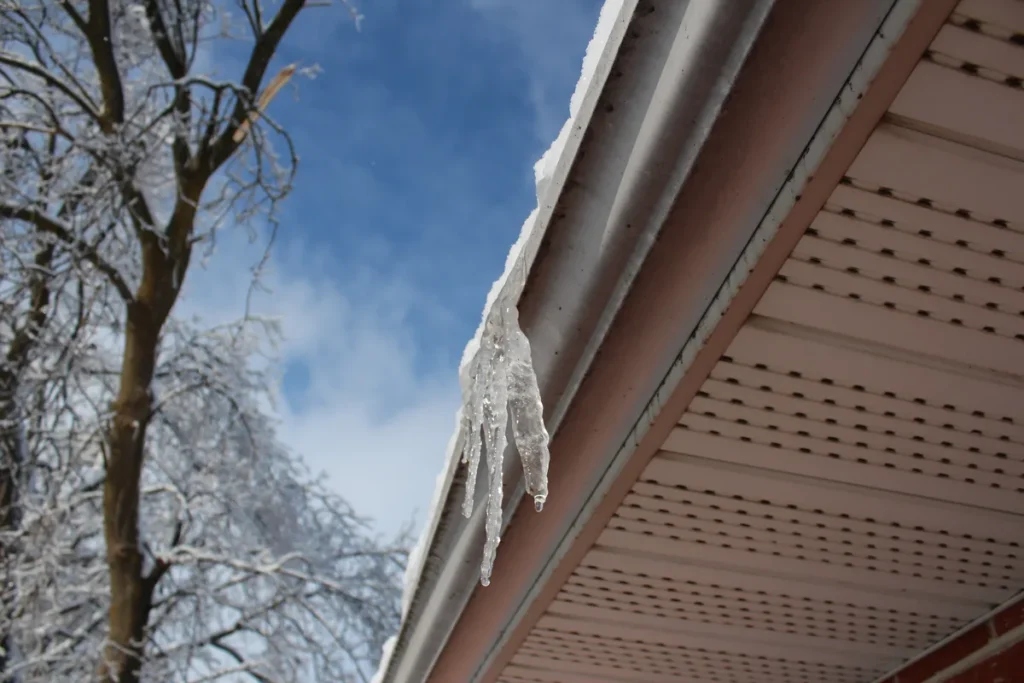
An ice dam is a ridge of ice along the eaves that holds water back on the roof. It forms when heat escaping from the house warms the roof deck and melts the bottom layer of snow. The meltwater runs down to the overhang, which sits outside the heated house and stays cold, and freezes again there. Each melt adds to the ridge, and the water trapped behind it can work its way under the shingles and into the attic, ceilings and walls.
NDSU Extension says dams are most common when there is snow on the roof, heat is escaping through it, and the outdoor temperature sits just below freezing (NDSU Extension, January 2023). So the safe way to deal with one starts with the snow that feeds it, not the ice.
What you’ll need
- A roof rake long enough to reach the lower few feet of your roof from the ground. See every roof rake we compare.
- Buckets, towels and a camera or phone, if water is already coming in.
- A roofer or snow-removal contractor for anything you can’t reach from the ground, and for the ice itself.
Step 1: Deal with water coming in
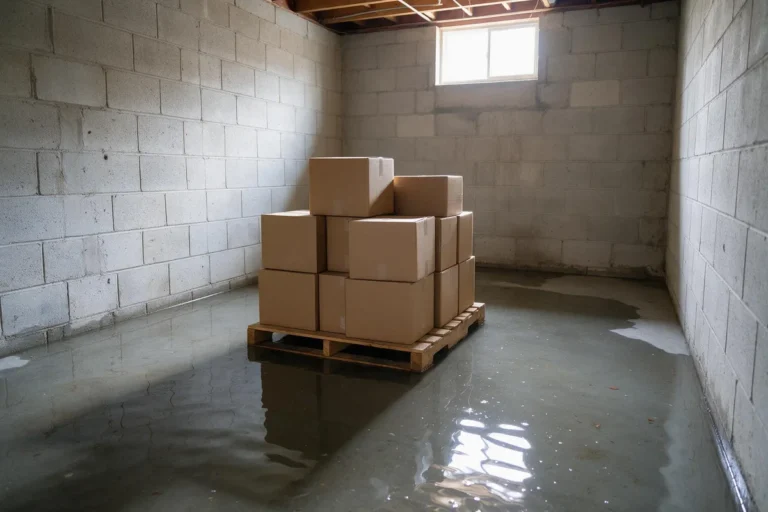
If you see stains on the ceiling or water dripping inside, the dam is already leaking. Catch the drips, move furniture and boxes away, and take dated photos of the stains and the roof edge for your insurer. Wet insulation, paint and plaster are damaged quickly, so dry the area as soon as you can.
If water reaches light fixtures, outlets or the electrical panel, keep away from it and call an electrician.
Step 2: Rake the lower roof from the ground
Clearing the snow from the lower part of the roof, where dams form, takes away the snow that would melt and refreeze there. NDSU Extension advises a roof rake instead of climbing onto the roof, and taking care near overhead power lines.
- Look up first. Find the service wires to the house and any lines along the street. Work only where the whole pole stays at least 3 m (10 ft) from them and never touches the wires to your house.
- Stand on firm, cleared ground beside the area you are raking, not under it, so the snow falls in front of you.
- Pull the snow down the slope in short strokes, working along the eaves. Clear the lowest few feet first; that is the part that matters for the dam.
- Repeat after each heavy snowfall while the cold lasts, before the new snow has time to melt and refreeze.
Reach decides how much roof you can clear. The Snow Joe RJ204M has an aluminum pole that telescopes from 6.2 to 21 ft with a 25 in polycarbonate blade, and Snow Joe’s manual gives it about 27 ft of overhead reach at 4.8 lb, so it is light enough to use for a while.
Step 3: Leave the ice to a professional
Don’t break the ice with an axe, a pick or a hammer, and don’t use de-icing salt (sodium chloride), which can damage roofing and the structure. Don’t climb up either: OSHA warns that snow hides skylights you can fall through and that a snow-loaded roof may not be safe to stand on.
If the bottom of your roof is out of reach from the ground, or the dam is already thick, call a roofer or a snow-removal contractor rather than climbing up. Before anyone works on your roof, ask about their liability insurance and workers’ compensation cover, and put the job in writing (Office of Consumer Affairs). Roofers also repair what an ice dam has damaged.
What it means for your insurance
Home policies can treat water getting in differently from a roof collapse, and some cover it only with extra water-damage protection, so read your own policy or call your insurer. The dated photos from step 1, taken before anything is repaired, are what you will be asked for.
Troubleshooting
- Big icicles but no leaks: icicles come from the same melt and refreeze. Keep raking, and keep people and cars out from under them.
- Ice comes back in the same spot every winter: that spot is losing heat. The fix is in the attic; the ice dams page explains it.
- Water keeps coming in after you have raked: the dam is holding water you can’t reach. Call a roofer or snow-removal contractor.
Ice dams often come with a long cold snap and power cuts. If the power goes out too, read how to keep pipes from freezing in a power outage and our ice storm checklist.
Ice dam questions
Should I put salt on an ice dam?
Not rock salt: de-icing salt (sodium chloride) can damage roofing materials and the roof structure. Don’t break the ice with an axe, pick or hammer either. Rake the snow from the ground and leave the ice to a professional.
How often should I rake the roof?
After each heavy snowfall while temperatures stay around or below freezing, before the snow has time to melt and refreeze at the eaves. You only need the lower part of the roof clear; that is where dams form. Skip it whenever the pole cannot stay well clear of power lines.
Who removes an ice dam?
A roofer or a snow-removal contractor. Ask about liability insurance and workers’ compensation cover before anyone works on your roof (Office of Consumer Affairs).
Does insurance cover ice dam leaks?
It depends on your policy: some treat water getting in differently from a roof collapse, and some cover it only with extra water-damage protection. Photograph the damage with the date before repairs, and call your insurer.